Best Pull String Animal Sound Toy Picks for Toddlers and Preschoolers
Exploring pull-string animal sound toys helps little ones learn sounds, animal names, and cause-and-effect while keeping them entertained. From classic See ’n Say replicas to modern interactive pets, these toys encourage motor skills, language development, and curiosity. Below are five top options that balance familiar appeal with engaging features, all designed for ages from infancy to preschool. Each product showcases pull mechanics, animal sounds, and light or music elements that captivate young minds.
| Product | Brand | Key Feature |
|---|---|---|
| Fisher Price Classics – Farmer Says See ‘n Say | Basic Fun Store | 12 animal sounds; pull to hear sounds and name |
| Fisher-Price Little People World of Animals See ’N Say | Fisher-Price Store | 2 pages of animals; sounds and phrases; quiz questions |
| VTech Pull and Sing Puppy | VTech Store | Music on pull; colorful buttons; language growth |
| Baby Toys 6-12 Months Musical Dancing Talking Penguin | Brand Not Specified | Interactive modes; language repetition; magnetic dual penguins |
| VTech Zoo Jamz Tiger Rock Guitar | VTech Store | Sound and songs with animal buttons; strum and pull features |
Classic See ’n Say: Farmer Says
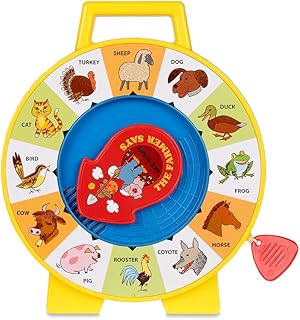
This timeless pull-string toy features 12 animal sounds and names, reviving a familiar learning game for today’s preschoolers. The pull mechanism activates a clear audio cue that reinforces word-object association as children point to an animal and listen to its sound. Its simple, robust design makes it suitable for daily play and early learning centers. Parents can expect straightforward interaction that supports vocabulary development and auditory discrimination without overwhelming complexity.
World of Animals See ’N Say with Music

Designed for slightly older toddlers, this See ’N Say offers two pages of animals with interactive sounds and phrases that teach animal names and their noises. The pull-and-guess mechanic invites kids to point at an animal, pull the lever, and hear its sound, while short quiz questions help test comprehension. The added music and phrases broaden language exposure and memory recall, supporting early cognitive skills in a playful, engaging format.
Pull and Sing Puppy

This pull-to-activate toy puppy focuses on early language and motor skills. Pulling the cord triggers music, words, and cheerful sounds while encouraging gross motor play. The toy includes three colorful buttons that promote fine motor skills as children press for additional sounds and vocabulary. Suitable for ages 6 months to 36 months, it supports early speech development and interactive learning through cause-and-effect.
Musical Penguin Tummy Time Toy

This penguin duo emphasizes tummy time and early social interaction. The Mama penguin walks and plays melodies in Explore Mode, while Sleep Mode provides a soft night light and lullabies. An interactive voice repeater encourages babbling and early words, making it a strong option for language and social development in babies and toddlers. The magnetic penguin duo fosters cooperative play as little ones explore cause-and-effect with safe, engaging mechanics.
Zoo Jamz Tiger Rock Guitar

Combining music with animal sounds, this tiger-themed rock guitar invites kids to press animal buttons and hear sounds or songs about Tiger, Elephant, Parrot, Bear, and Frog. The eight light-up buttons and a slider to strum the strings promote motor coordination, while the pull-to-activate whammy bar adds exciting sound effects. This toy blends music, pretend play, and language as children describe animals and sing along, supporting auditory processing and memory.
Buying Guide: Key Considerations for Pull String Animal Sound Toys
When choosing a pull-string animal sound toy, consider how it aligns with a child’s developmental stage and learning goals. The following dimensions help compare options:
- Age appropriateness: Look for toys labeled for your child’s age to ensure safe, engaging features without frustration.
- Sound variety: More animal sounds and phrases can support broader vocabulary and auditory discrimination, but ensure the audio quality is clear and not overwhelming.
- Pull-and-play mechanics: A dependable pull cord or lever increases durability and consistent feedback. Check for resistance that is appropriate for small hands.
- Language development features: Toys that include names, sounds, and short phrases or questions support vocabulary growth and conversational skills.
- Motor skill development: Toys with buttons, levers, or magnetic components encourage fine motor control, while larger movements foster gross motor development.
- Safety and materials: Look for non-toxic finishes, sturdy construction, and magnetic parts that are securely attached to prevent small parts hazards.
- Multisensory engagement: Toys that combine music, lights, and tactile elements tend to sustain attention longer and boost memory through multisensory learning.
- Storage and maintenance: Simple cleaning and compact storage help maintain hygiene and usability in busy households or classrooms.
- Replay value: Features such as quizzes, two play modes, or evolving play patterns can extend the toy’s usefulness as a child grows.
In choosing between classic See ’n Say designs and modern interactive pets, parents may prioritize familiarity and straightforward mechanics or opt for features that promote language growth, problem-solving, and independent play. For caregivers seeking extended learning support, toys with built-in questions, phrases, and expandable modes provide ongoing opportunities to practice vocabulary and listening skills. Durability is another important factor, especially for younger toddlers who tend to pull, shake, and explore with enthusiasm.
Leave a Reply