Best John Shelby Baseball Card Collection Highlights for 1980s Orioles Fans
John Shelby baseball cards offer a window into a dynamic era of baseball collecting. This article spotlights five notable cards, highlighting design, year, and significance for collectors of Orioles memorabilia and 1980s trading cards. Each entry includes a quick read on condition, rarity, and display value, helping newcomers and seasoned collectors assess options.
Summary of chosen products
| Card | Year | Brand | Notes |
|---|---|---|---|
| 1986 Topps Baseball Card #309 John Shelby | 1986 | Baseball Card | Classic mid-80s Topps design; common in many lots |
| 1984 Topps #86 John Shelby Baltimore Orioles | 1984 | Topps Store | Orioles team set staple; potential NM condition |
| 1987 Topps Traded Baseball Card #112T John Shelby | 1987 | Topps | Traded set; adds variety to collections |
| 1987 Topps Baseball Card #208 John Shelby | 1987 | Baseball Card | Standard Topps issue; commonly found |
| 1989 Topps Baseball Card #175 John Shelby | 1989 | Baseball Card | Late-80s Topps image era; appealing to finishers |
1986 Topps Baseball Card #309 John Shelby
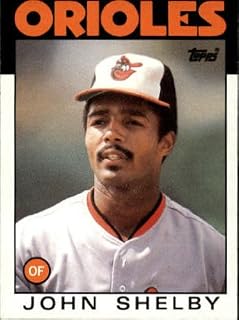
The 1986 Topps design is an iconic entry point for many mid-80s collectors. This card features John Shelby in a characteristic pose, with bold color blocks and the familiar Topps border. Condition plays a crucial role: near-mint copies tend to hold up well in mixed runs, while lower-grade examples are common in budget boxes. This card is well suited for display in an Orioles-themed collection as part of a larger 1980s set.
1984 Topps #86 John Shelby Baltimore Orioles

This 1984 Topps issue is a go-to card for Orioles fans building a late-70s to mid-80s set. The image captures a period style common to early Topps designs, and the card’s status as a Baltimore Orioles item adds team-specific appeal. Collectors often seek this year for its place in opening-season rosters and its potential for strong centering with acceptable corner sharpness.
1987 Topps Traded Baseball Card #112T John Shelby

The Traded set adds a layer of interest for collectors exploring how players appeared across different Topps issues. The 112T card represents a commonly collected variant among 1987 sets, potentially offering a affordable entry point for completists. Its subdued background and clear portrait help it pair well with other 1987 Orioles cards in a display or binder.
1987 Topps Baseball Card #208 John Shelby

This 1987 Topps release is a staple for many 1980s sets, offering balanced color and reliable print quality. Cards from this year are often found in mixed-condition bundles, making it important to evaluate centering, edge wear, and surface gloss when assessing value. For display, #208 sits comfortably amid other Orioles cards from the mid-to-late 80s era.
1989 Topps Baseball Card #175 John Shelby

The 1989 Topps card captures the late-1980s card design and printing style, appealing to collectors who favor the era’s distinctive photography and typography. As a late-career entry for John Shelby, it can complement a broader Orioles lineup from the decade. Condition, centering, and surface care drive overall desirability in this year’s issue.
Buying Guide
When evaluating John Shelby baseball cards, consider the following factors to make informed purchases:
- Condition and grading: Centering, edge wear, and surface gloss strongly influence value. A higher grade often justifies a higher price in sealed or well-preserved examples.
- Card year and set: The 1984 Topps Orioles card, the 1986 Topps issue, and Traded sets offer different collectability. Decide whether you value team sets, standout star issues, or variants.
- Rarity and print quality: Some years have higher print runs, affecting price. Variants like the Traded set can introduce scarcity and interest, particularly for completion-minded collectors.
- Display and framing: Cards from the 1980s pair well with acrylic displays or binder pages in a Baltimore Orioles-themed collection. Consider protection against light and humidity.
- Investment vs. nostalgia: Older or rarer issues may appreciate over time, but many 1980s cards are best for hobby enjoyment and display rather than speculative investment.
Comparisons and perspectives
For Orioles fans, cross-referencing multiple John Shelby cards can build a cohesive narrative of his career. The 1984 issue may represent the earliest mainstream Topps appearance for this player in an Orioles context, while the late-80s cards capture the tail end of his peak trading card presence. If you prioritize variety, the Traded set adds a distinct look and potential for unique card numbers. When choosing, weigh condition possibilities against the practical display you envision for your collection.
Display and care tips
To maintain card integrity, store cards in humidity-controlled environments, away from direct sunlight. Use soft plastic sleeves and rigid top-loaders for protection. If displaying, consider a regression-friendly binder with archival-quality pages and a display case to minimize handling damage. Regularly inspect for edge whitening or surface scratches, and handle cards by the edges to avoid oils from fingers.
Final notes for collectors
John Shelby cards from the 1980s offer a broad spectrum of appeal—team alignment, set variety, and era-specific design. This selection focuses on notable 1980s Topps and related issues that balance accessibility with collector interest. By combining condition-conscious buys with thoughtful display, a collector can assemble a cohesive and attractive Shelby-themed Orioles collection that spans several years and designs.
Leave a Reply