Best Gas Engine RC Airplane Essentials for High-Performance Flying
Gas-powered RC airplanes offer a robust mix of scale detail, sustained power, and longer flight times. This guide highlights five standout products that span engines, fuels, and ready-to-fly aircraft, helping hobbyists choose reliable components for ambitious gas-powered builds. Each entry presents key features, compatibility notes, and practical considerations to optimize performance, maintenance, and flight experience.
| Product | Notes |
|---|---|
| New DLE Gasoline Engine DLE30 30cc | Compact 30cc class engine for sport and scale airframes |
| Lastest DLE Gasoline Engine DLE 55RA 55cc | Higher power, suitable for larger airframes |
| VP Racing Hobby Fuels 1 Quart 20-Percent Nitrofuel | Standard nitro fuel for gas models |
| DEERC G650 RC Plane Private Jet | Ready-to-fly electric jet alternative for gas enthusiasts |
| RC Plane Engine 10CC BM Side Exhaust | Lightweight, rear-exhaust option for narrow airframes |
New DLE 30cc Gasoline Engine For RC Airplanes

The DLE30 30cc gasoline engine represents a compact powerplant option for mid-sized RC airplanes. Designed for reliability and smooth operation, it provides a balance of weight, fuel efficiency, and throttle response ideal for sport flyers and scale models. When pairing with a 30cc class airframe, builders can achieve steady climbs, predictable power output, and manageable maintenance intervals. Typical applications include sport, trainer, and enthusiast aircraft that demand steady surges of torque without excessive weight. Consider fuel mix, cooling, and vibration management to maximize performance and engine life.
DLE 55RA 55cc Gasoline Engine For RC Airplanes

The DLE55RA 55cc engine targets pilots seeking higher power for larger airframes or demanding flight profiles. With greater displacement comes enhanced torque and sustained thrust, enabling confident takeoffs, steeper climbs, and vigorous aerobatics. Compatible with airframes designed for 50–60cc class power, it benefits from careful tuning, robust cooling, and clean fuel lines. Users should plan for heavier fuel loads and ensure the airframe structure can handle the added weight while preserving flight control responsiveness and balance.
VP Racing Hobby Fuels 1 Quart 20-Percent Nitro Fuel
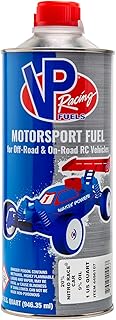
Nitro fuels at 20% are a common choice for many gas-powered RC engines, offering a balance between performance, engine longevity, and ease of tuning. The VP Racing nitro blend is designed to provide consistent combustion, reliable starting, and predictable power curves across a range of temperatures. When selecting fuel, pilots should consider airframe weight, propeller size, and ignition timing to optimize thrust while maintaining efficient fuel consumption. Always follow manufacturer recommendations for fuel storage and handling to preserve nitro stability.
DEERC G650 RC Plane Private Jet

The DEERC G650 is a ready-to-fly electric jet option featuring a Gulfstream-inspired design, a 6-axis gyro stabilization, and a 3-channel control system. While not a gasoline powered model itself, it provides a reference point for handling characteristics, stability, and flight time, which can inform the planning of gas-powered projects. Its included display stand makes it an attractive centerpiece for enthusiasts who want a high-finish model for display and flight practice, with up to 20 minutes of flight time using two high-capacity LiPo batteries. Consider how electric control systems contrast with gasoline power in terms of maintenance and performance consistency.
RC Plane Engine 10CC BM Side Exhaust

The 10CC BM side-exhaust engine is designed for lighter, narrow-airframe designs where rear or side exhaust routing is preferred. The side-exhaust configuration can aid in frame layout and cooling ducting, reducing heat buildup in tight installations. Features emphasize improved power-to-weight ratio, durability, and precision machining. When integrating this engine, assess mounting compatibility, exhaust routing, and fuel system resilience to maintain reliability during extended flights or aerobatic sequences.
Buying Guide
Key considerations for selecting a gas engine RC airplane setup include engine displacement and airframe class, weight and balance implications, and cooling efficiency. Higher displacement engines deliver more torque and climbing power but add weight and fuel consumption concerns; ensure the airframe is structurally prepared for the extra stress and vibration. Fuel compatibility matters: nitro fuels such as 20% blends require appropriate glow plugs, ignition timing, and maintenance routines to prevent detonation and fouling. For engine mounting, verify that the mounting pattern, cowling clearance, and propeller clearance align with the chosen airframe.
Maintenance and reliability should guide choices: choose engines with established dealer support, readily available spare parts, and proven track records for thread durability and vibration tolerance. When comparing engines and fuels, consider flight profiles (trainer, sport, or scale), typical flight times, and expected flight speeds to tailor propeller sizing and fuel efficiency. For electric and hybrid models, use these as benchmarks for control responsiveness and training value, but recognize that gasoline power offers longer endurance and stronger scale performance in larger airframes.
Additionally, assess compatibility with accessories such as upgradeable carburetors, cooling strategies, and vibration isolation mounts. Airframe selection should reflect a balance between wing loading, center of gravity stability, and maneuverability. Finally, safety and storage considerations—fuel safety, fire risk, and proper handling—are essential for ongoing, safe operation of gas-powered RC aircraft.
Leave a Reply