Best Activity Ride-on Toys for Toddlers and Preschoolers
Discover engaging ride-on toys that blend mobility, learning, and pretend play. This guide highlights five top picks that help little builders develop balance, coordination, and early cognitive skills while keeping playtime fun and safe. Each option comes with interactive elements—from lights and sounds to movable steering and educational features—designed to captivate curious minds and supporters of growing independence.
| Product | Brand |
|---|---|
| Kiddieland Minnie Mouse My First Activity Ride-On | Kiddieland Store |
| VTech Sit-to-Stand Ultimate Alphabet Train | VTech Store |
| VEVOR Ride On Push Car | VEVOR Store |
| YBIKE Pewi Walking Ride On Toy | YBIKE Store |
| Kiddieland Disney Donald Duck Activity Plane Ride-On | Kiddieland Store |
Kiddieland Minnie Mouse First Ride-On With Lights
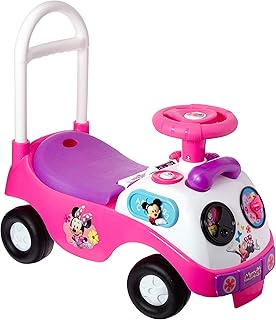
This Minnie Mouse themed ride-on supports early mobility and imaginative play. It features interactive lights and sounds, including flashing signals and a beeping horn to encourage pretend driving. The easy‑grip steering wheel helps toddlers practice steering while they scoot. An educational clock and peekaboo window add a learning layer, helping little ones start early time-telling and image exploration. With a sturdy, kid-powered design, children aged 1–3 can push off and ride, using a gear shift and ignition key for realistic car play. Batteries are included to get started right away.
Safety and durability are central to this model, which balances fun with simple, intuitive controls. The combination of sensory feedback from lights and sounds and the tactile engagement of steering supports fine motor development and hand–eye coordination. For caregivers, the ride-on doubles as an indoor and outdoor activity, encouraging short bursts of independent mobility while remaining manageable for parents during transitions between rooms or play areas.
VTech Sit-to-Stand Ultimate Alphabet Train

The VTech Sit-to-Stand Ultimate Alphabet Train grows with your child, transitioning from a floor toy to a ride-on that can transform into a baby walker or a pull toy wagon. It includes more than 10 activities that cover a storybook, clock, and gears. The toy also provides 13 double-sided alphabet blocks to build early literacy and motor skills. A walkie-talkie and number pad enhance role-play and introduce numbers and animals, while the train engages children with over 100 songs, melodies, sounds, and phrases. This versatile toy supports cognitive development and language acquisition through interactive play.
Young learners benefit from multiple entry points—sensory stimulation through audio and visual cues, tactile block manipulation, and imaginative scenarios. The design encourages exploration and problem-solving, helping children understand cause and effect as they operate the different features. While it offers sitting, standing, and pushing play modes, supervision is advised for younger toddlers during transitions between configurations to ensure safe use and proper balance training.
VEVOR Ride On Push Car for Toddlers
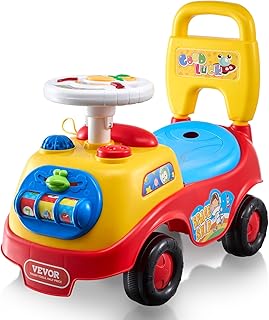
The VEVOR ride-on car targets early balance and gross motor skills in children aged 1–3. It features a stylish design that appeals to both boys and girls and is built from tough PP material for durability. The four-wheel configuration provides stability and even weight distribution, supporting a higher weight capacity to accommodate growing toddlers. The ride-on also includes music, steering functionality, a horn, and under-seat storage to keep small toys within reach, making it suitable for both indoor and outdoor adventures while encouraging independent mobility.
With a focus on longevity, this push car is designed to withstand energetic play and frequent use. It enables careful practice of leg propulsion and steering, reinforcing balance and core strength. Since it relies on parental guidance for some aspects of movement and control, caregivers can facilitate confidence-building play while gradually allowing more autonomy as the child develops, particularly during supervised rides in safe, open spaces.
YBIKE Pewi Walking Ride On Toy

The YBIKE Pewi serves as a versatile walking ride-on toy designed for ages 9 months to 3 years. It supports riding, pushing, sitting, and supported walking, making it adaptable as a child progresses through developmental stages. The 10-inch wheel design and compact footprint work well for both indoor rooms and outdoor yards, helping little ones explore movement without relying solely on walking. Its creative form fosters balance, coordination, strength, and spatial awareness, all essential for early motor and cognitive development during the toddler years.
As a learning companion, the Pewi encourages exploratory play and imaginative pretend scenarios. The toy’s ergonomic handle and lightweight build invite caregivers to participate in sessions that promote confidence, social interaction, and problem-solving. Because Pewi is a multi-purpose push toy, it’s a practical choice for families seeking a single mobility solution that grows with a child from early crawler-like mobility to independent self-propelled movement.
Kiddieland Disney Donald Duck Activity Plane Ride-On

Designed as an aviation-themed ride-on, this Donald Duck Activity Plane introduces early flight-themed pretend play with a foot-to-floor motion. The dashboard includes interactive elements and a steering wheel that boosts motor skills through horn and pilot sounds. A parent push handle supports guided indoor rides and outdoor excursions, offering a balance of autonomy and support for caregivers. The engaging character imagery and controllable dashboard stimulate storytelling and cause-and-effect learning, while the vehicle’s mobility encourages active exploration for 12–36 months olds.
The combination of bright LEDs, sounds, and motion fosters sensory development and language growth as children narrate their pretend journeys. The plane’s sturdy construction is intended for frequent use by toddlers and provides a reliable option for families who want an approachable, character-themed ride-on that blends play with practical mobility training in a safe environment.
Buying Guide: Key Purchase Considerations for Activity Ride-On Toys
Choosing the right ride-on toy involves balancing safety, development, and long-term value. Consider the following perspectives to make an informed decision:
- Age and developmental stage: Look for toys that align with your child’s current abilities and growth trajectory. Some models focus on pushing and balancing, while others integrate battery-powered features or sit-to-stand transitions.
- Weight limit and durability: Check weight capacity and materials. Sturdy construction, impact-resistant plastics, and a stable wheelbase reduce the risk of tipping and wear during active exploration.
- Mobility type: Decide between push cars, sit-to-stand walkers, and pedal-free ride-ons. Each promotes different skills such as gross motor development, balance, and coordination.
- Interactive features: LEDs, sounds, steering wheels, and educational panels can boost engagement and learning. Ensure features are age-appropriate and not overly complex for your child.
- Learning integration: Some models offer counting, letters, or time-telling elements. These features can complement early literacy and numeracy efforts in a playful context.
- Portability and storage: Consider size, weight, and how easily the toy fits in your living space or car for on-the-go play.
- Safety considerations: Look for stable designs, smooth edges, non-slip footrests, and appropriate supervision guidelines. Avoid sharp corners and ensure small parts aren’t accessible to very young children.
- Maintenance and battery needs: Some models include batteries or require replacements. Assess ease of maintenance and the availability of spare parts or support from the brand.
- Long-term value: A versatile toy that transitions across activities (pushing, standing, or walking) can provide extended use as your child grows, reducing the need for frequent replacements.
In summary, the best activity ride-on toy for your child depends on balancing safety, developmental benefits, and the child’s current interests. A toy that combines movement with sensory-rich features and educational elements can support motor skills, language development, and imaginative play in a cohesive, enjoyable experience.
Leave a Reply